Reviewed by Orsha Magyar, M.Sc., CHN, Neuroscientist
If you're expecting a baby or navigating the early weeks of parenthood, you've probably spent more time than you expected researching infant formula options. There's a lot to sift through, and it can be hard to know what actually matters.
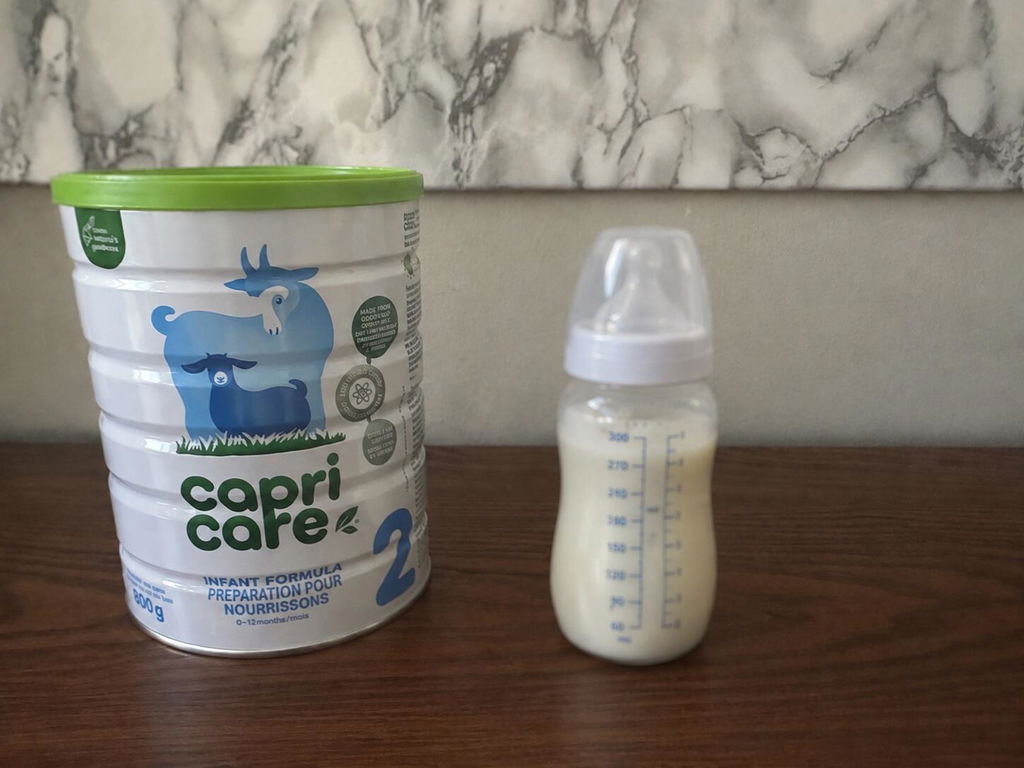
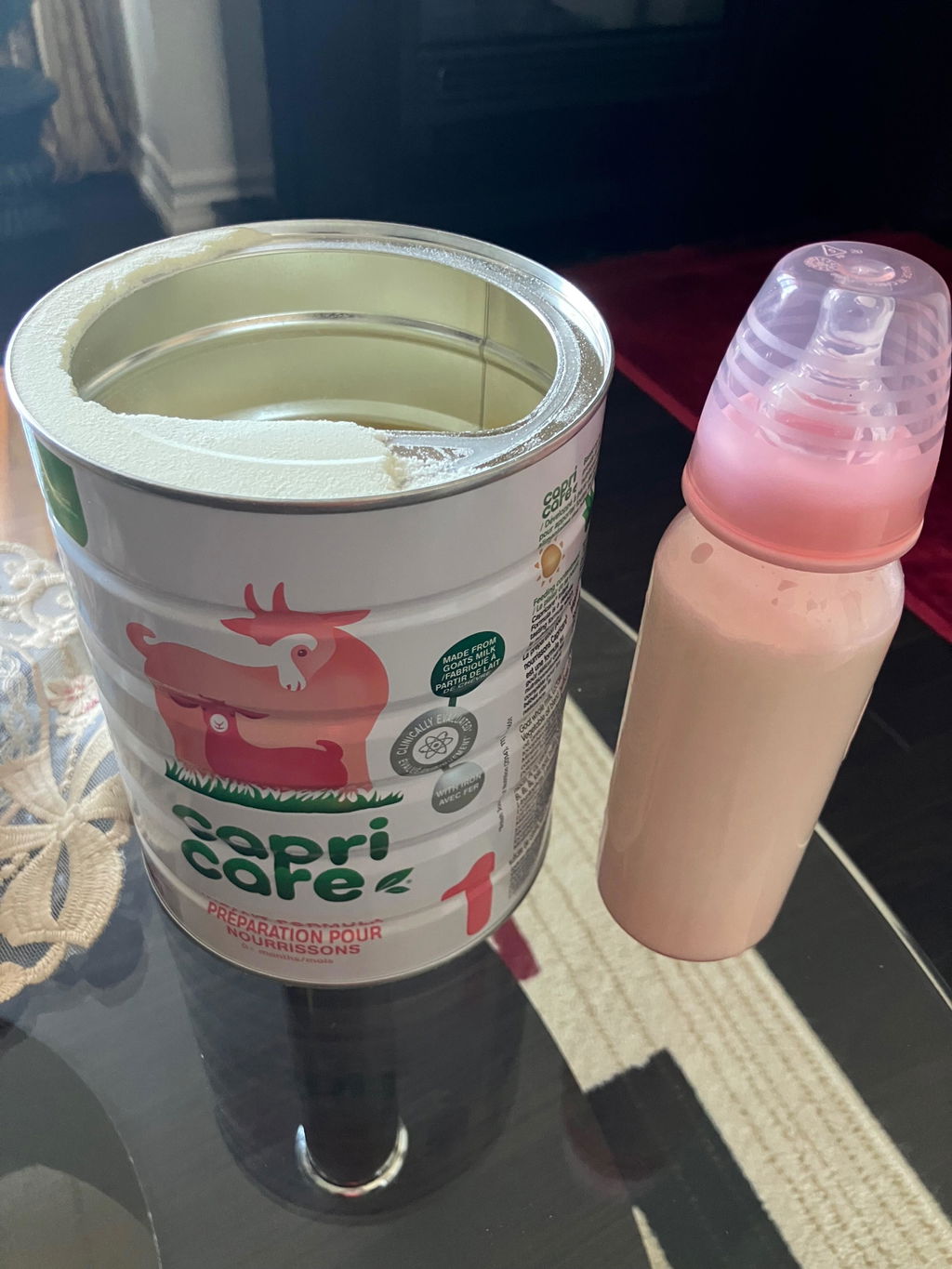
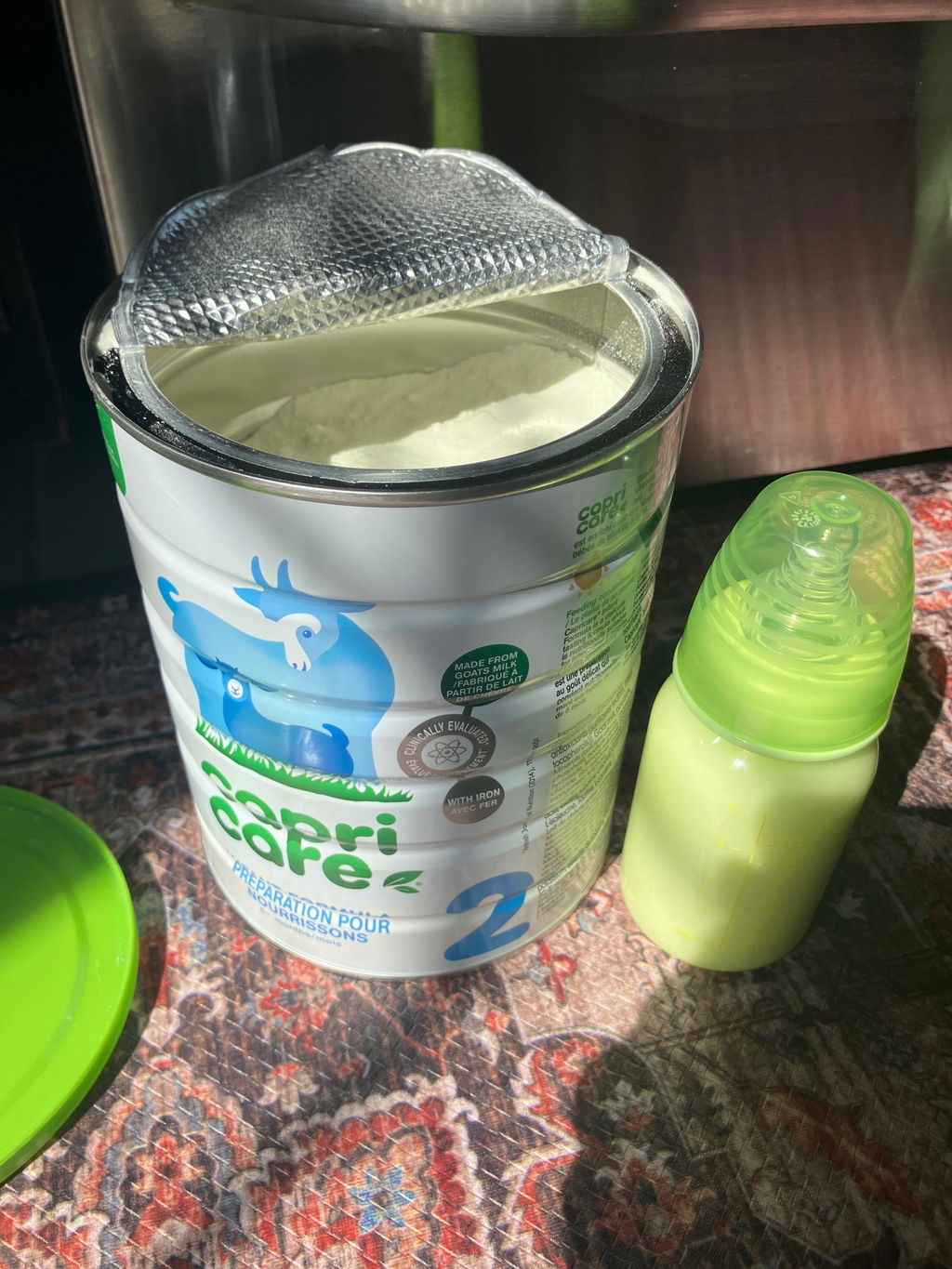
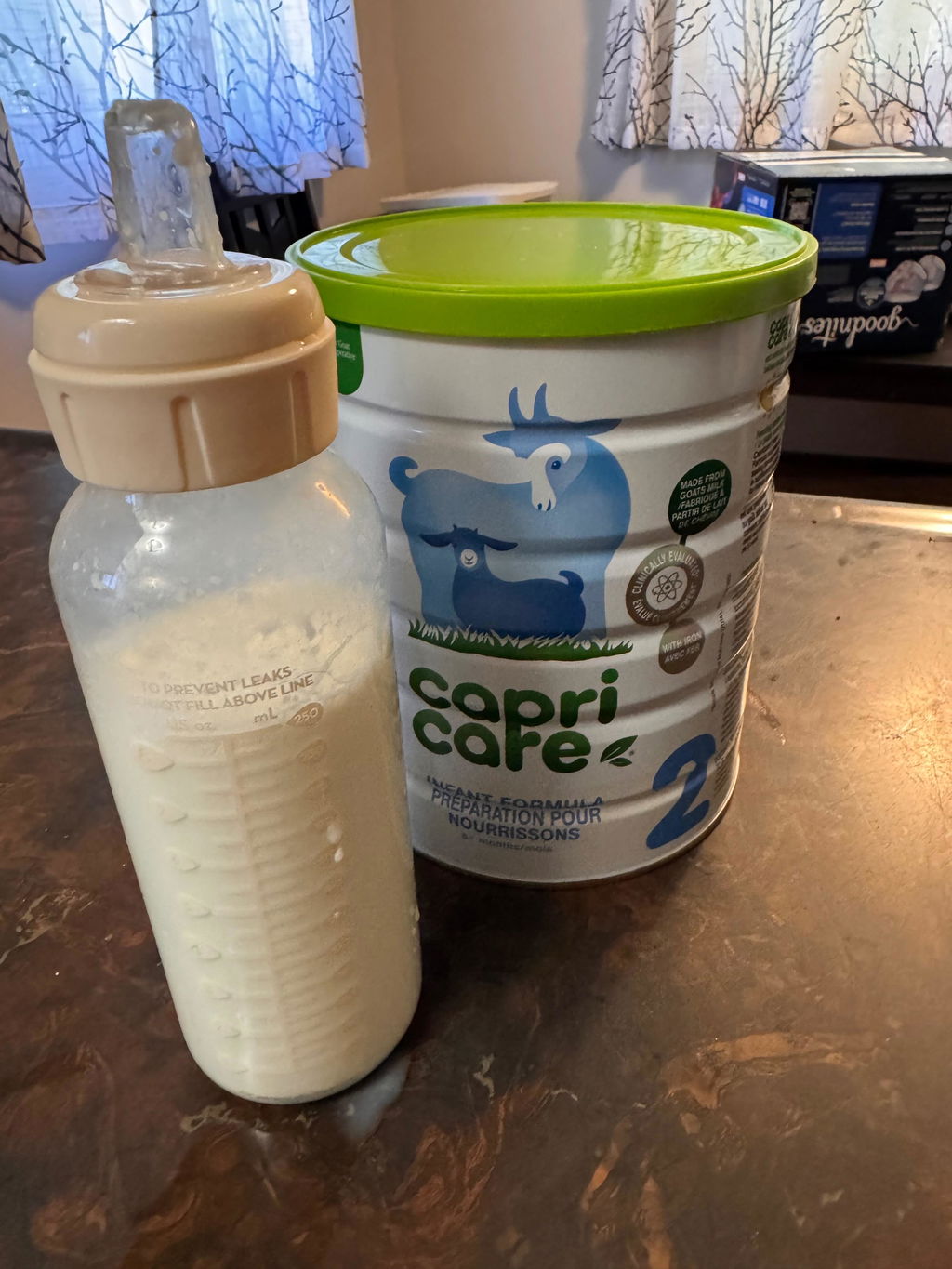
That's why new clinical research on Capricare Whole Goat Milk Formula (WGF™) is worth your attention. The findings are groundbreaking in the world of infant nutrition, and they have real implications for your baby's health in that critical first year.

What Is the GIraFFE Study™?
The GIraFFE Study is a double-blind, randomized, controlled clinical trial. This type of study design is widely regarded as the most robust gold standard of scientific research because it minimizes bias and produces findings that can be applied broadly. The largest study ever conducted on goat milk formula and one of the largest infant formula studies in history, The GIraFFE Study enrolled 2,132 healthy, full-term babies from birth to three months of age (after the decision to breastfeed had been made, to protect breastfeeding) and followed them through 12 months of age.
Why Eczema in the First Year Matters More Than You Might Think
Eczema, also known as atopic dermatitis, is one of the most common skin conditions affecting babies in their first year of life. It's a chronic, inflammatory condition that causes itching, redness, and real discomfort for babies and sleepless nights for parents. It affects up to 30% of children worldwide, and 80% of all cases appear within that first year. That window is where prevention matters most.
But baby eczema is not only a skin issue. It's linked to a higher risk of food allergies and asthma later in childhood, and to other allergic diseases into adulthood. Babies with eczema are nearly four times more likely to develop a food allergy (including six times more likely to develop an egg allergy and eleven times more likely to develop a peanut allergy), and their risk of developing allergic asthma can be anywhere from 20% to over 60% higher, depending on severity.
Family history is the strongest risk factor of all. If one parent has eczema, a baby's risk is more than three times higher. If both parents have it, that risk is nearly five times higher.
Because so many cases develop during infancy, and because eczema in babies can set off a chain of other health challenges, commonly referred to as the “atopic march” as the child grows into adolescence and adulthood, prevention during that first year is where the focus needs to be.
This wasn't a small-scale trial or a lab experiment. It was conducted on thousands of real babies, academically led by a world-renowned expert in infant nutrition and team at a prestigious university, and the results were significant.
What The Research Found
Babies in the GIraFFE Study were divided into two groups: those who received Capricare WGF and those who received a standard cow milk formula (CF).
Here's what the results showed:
For all formula-fed infants:
Babies who received Capricare continuously (with no breaks for more than 3 consecutive days until 12 months of age) had a significant 34% lower risk of doctor-diagnosed eczema during their first year.
This means that roughly 3 in 10 formula-fed babies were protected from developing the condition.
There was a similar incidence of eczema between infants consuming WGF and CF when it was diagnosed at the 3 study endpoints by study personnel.
For babies with a family history of eczema: The benefits were even more significant.
-
High-risk babies (those with at least 1 parent with eczema) who received Capricare even occasionally (at least one feed until 12 months of age) had a significant 64% lower risk of developing eczema during their first year.
-
Those who received it continuously saw a significant 79% lower risk.
In practical terms: for every 100 formula-fed babies with a family history of eczema, 28 would not develop the condition over the course of their first year thanks to Capricare.
Who Is Capricare Designed For?
Capricare is made for healthy, full-term babies. It is not a specialty or therapeutic formula. These eczema-prevention findings are an additional benefit uncovered through clinical research, and a meaningful one, but they are not the whole story of what Capricare is. They simply add to the story of over 35 years of research on the many benefits Capricare offers to infants.
It's also worth noting that the results of this study are specific to Capricare's Whole Goat Milk Formula (Stage 1 and Stage 2), not to goat milk formula as a broad category. The formulation matters.
When breastfeeding isn't possible or isn't chosen, Capricare gives parents something rare in the baby formula category: clinical, gold-standard evidence that our formula does more than nourish. It may meaningfully protect.
The Bottom Line
Choosing a formula is a significant decision, and you deserve clear, honest information to guide it. The GIraFFE Study offers exactly that. It's the largest study ever conducted on goat milk formula, and its robust, gold standard design, coupled with academically-led nature further increase the credibility of its findings.
Together, these show that Capricare can play a meaningful role in protecting your baby’s skin, especially in that vulnerable first year.
Whether you have a family history of eczema or you're simply looking for a formula you can feel confident about, Capricare is built on science you can trust.
Learn About the Science Behind Capricare →