Grant et al. 2005 (Auckland, New Zealand)
Overview
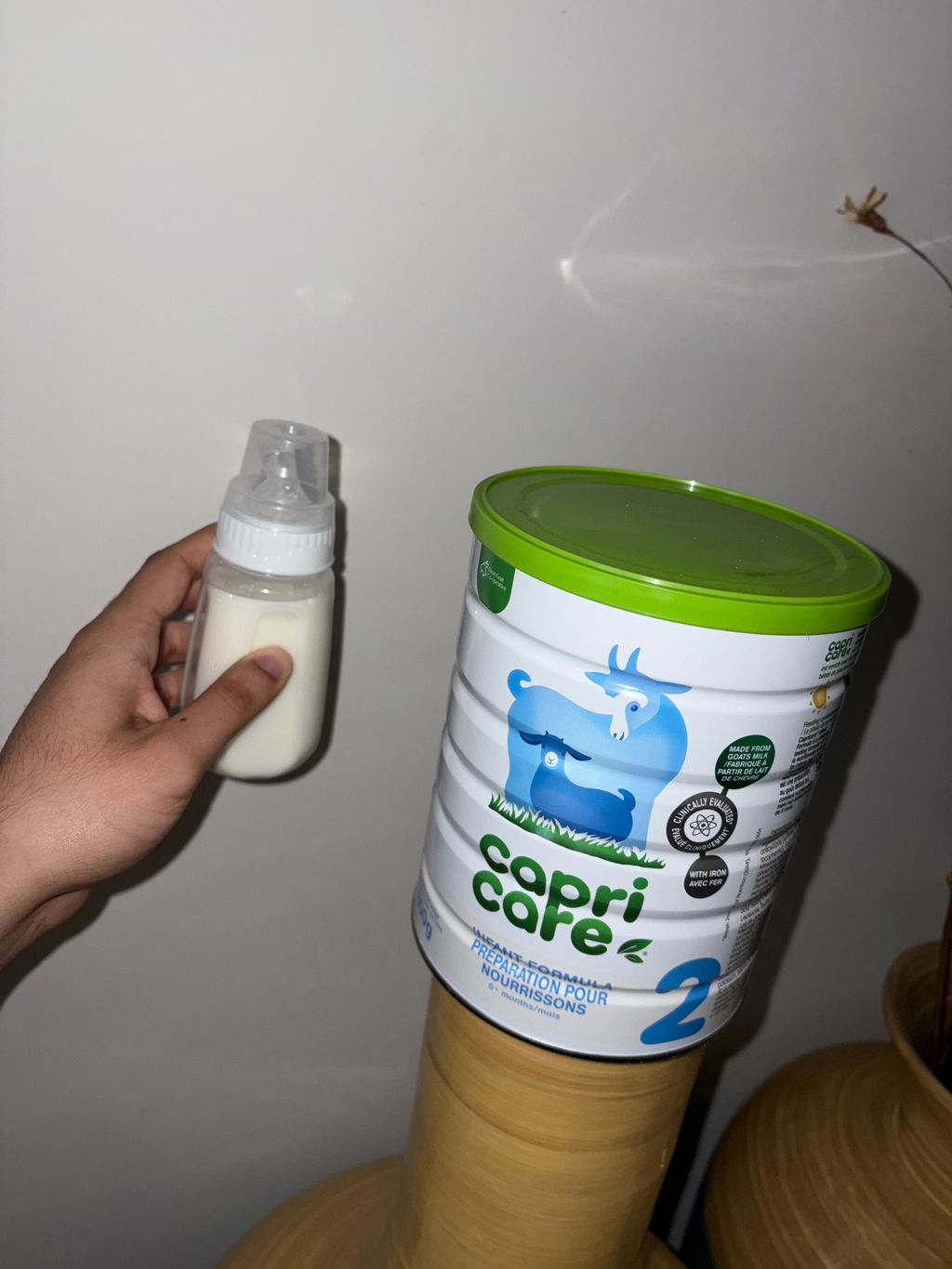
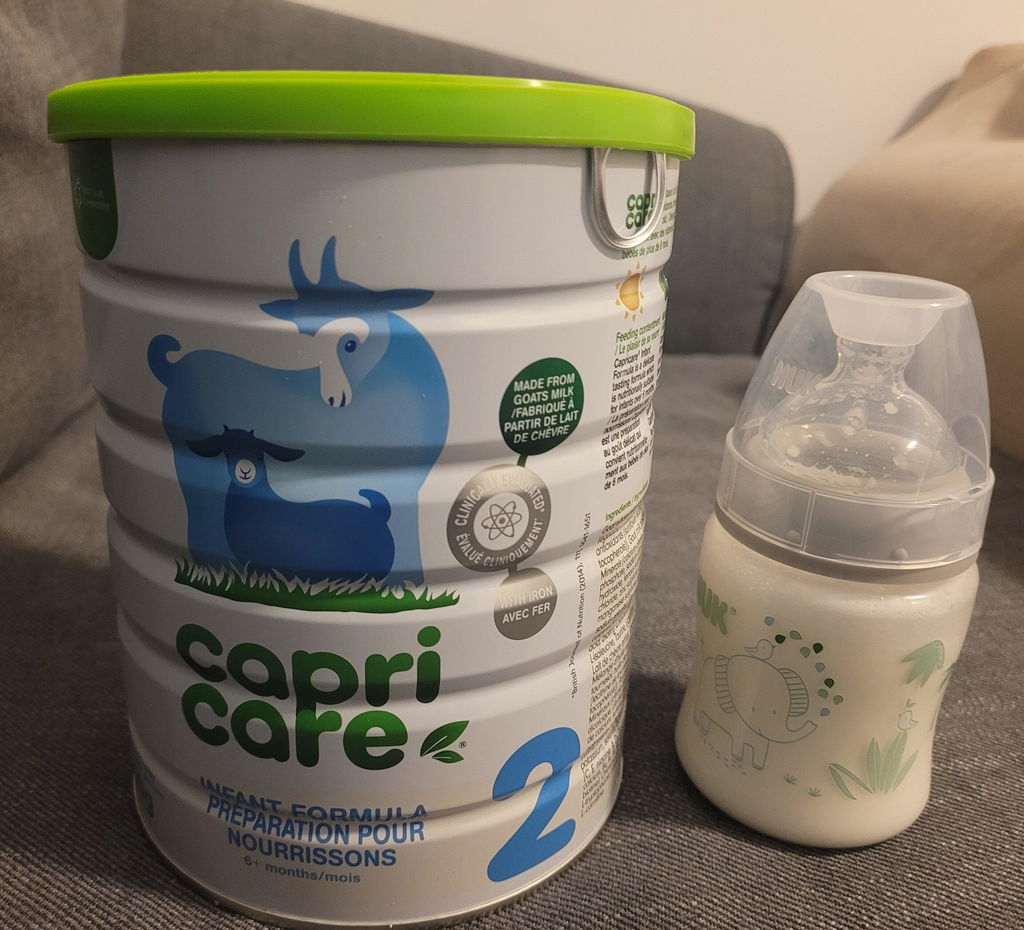
While goat milk was widely consumed in many countries, the use of goat milk formula (fortified to meet infant requirements) was relatively new in the early 2000s. This was the first clinical study to show that whole goat milk formula (WGMF) is a safe and effective alternative to cow milk formula (CMF) for healthy infants. This growth and tolerance study demonstrated the suitability of WGMF for parents and healthcare professionals.
Methods
Principal Investigator: Professor Cameron Grant, Paediatrics Child & Youth Health, New Zealand
Ethics approval: New Zealand Ministry of Health
Formulations: DGC WGMF and commercially available CMF
This double-blind, randomised controlled trial was conducted in Auckland, New Zealand. Healthy term infants whose mothers chose not to breastfeed were randomly assigned to WGMF (n=36) or CMF (n=36) within 72 hours of birth. They exclusively consumed the assigned formula until they were six months old. Caregivers and researchers were unaware of which formula was given.
Growth measurements (infant weight, length, and head circumference) were taken regularly. Tolerance to the formula was determined using parental diaries of infant bowel habits and crying patterns, and adverse events were monitored (a requirement of all clinical trials). Weaning foods were introduced after four months, and adherence to the study protocol was ensured through regular visits.
Key findings
This study established that the growth of infants fed WGMF was similar to that of infants fed CMF, with no significant differences in weight, length, or head circumference.* A breastfed reference group was not included in the study. New Zealand growth data for breast-fed infants was sourced from a previous New Zealand study. The comparison found that weight of the infants on WGMF and CMF did not differ from the breastfed infant reference data.
This study established that the WGMF was well tolerated and safe. WGMF-fed infants had slightly more frequent bowel movements but showed no differences in bowel consistency or behaviours like crying or settling.
Conclusion
For the first time, this study demonstrated that WGMF is a safe and effective food supporting infants’ healthy growth and well-being.
Reference
CI: confidence interval; CMF: cow milk formula; WGMF: whole goat milk formula.
Average weight gain: +309 g, 95% CI −49 to +668, P=0.09; Average increase in length: 0.8 cm, 95% CI −0.2 to +1.8, P=0.09; Average change in head circumference: +0.3 cm, 95% CI −0.2 to +0.8, P=0.23.
Per day WGMF 2.4 vs CMF 1.7, P=0.01. This was not excessive nor associated with any other difference in stool consistency. It may relate to differences in digestibility, for example, GMF forms a softer curd than CMF.
WGMF vs CMF; Runny bowel movements at any visit: 5 vs 6, P=0.82; Hard bowel movements at any visit: 4 vs 2, P=0.35; Crying for 3–6 hours per day at any visit: 3 vs 7, P=0.19; Easy to settle at all visits: 17 vs 15, P=0.48.