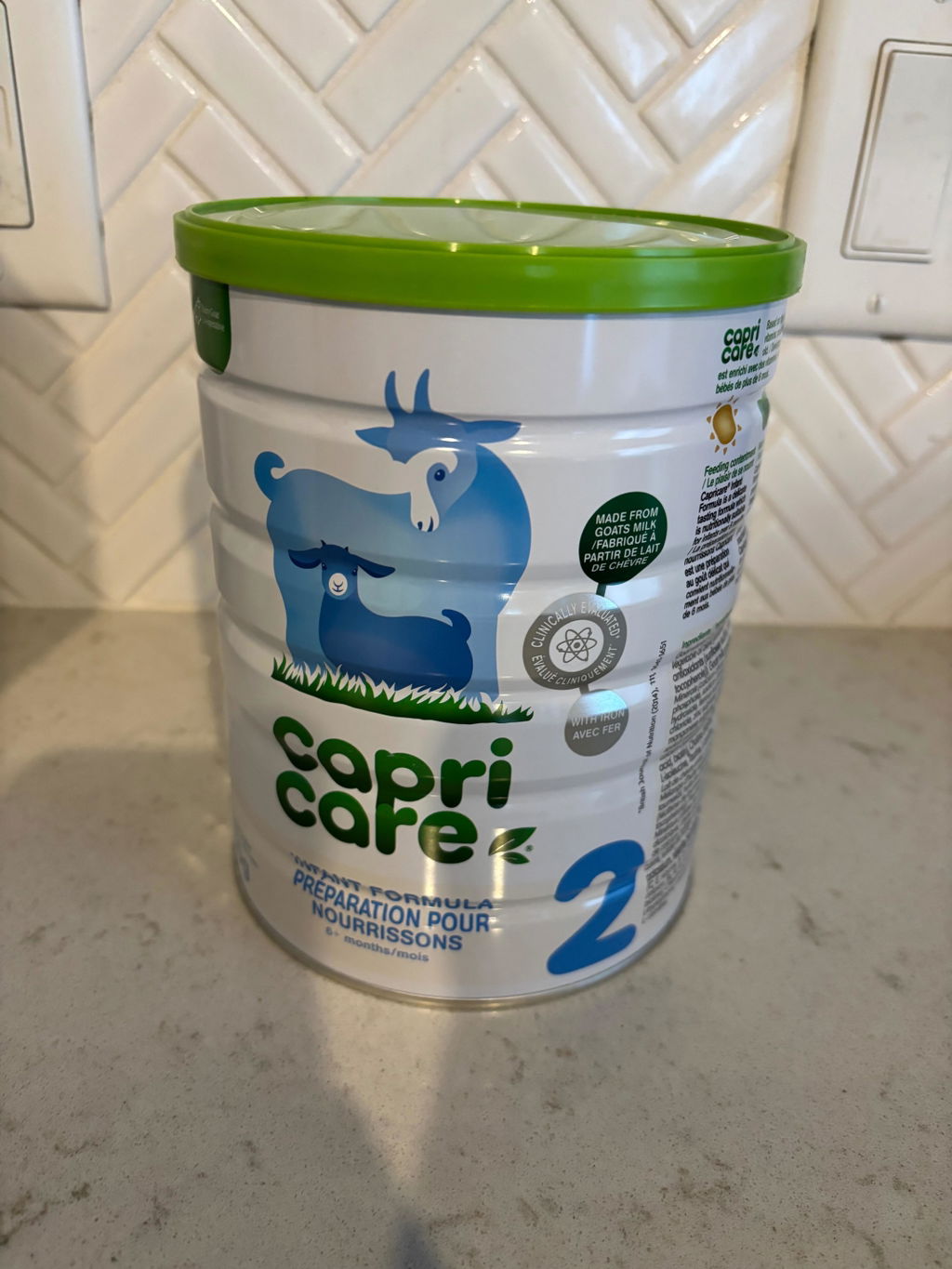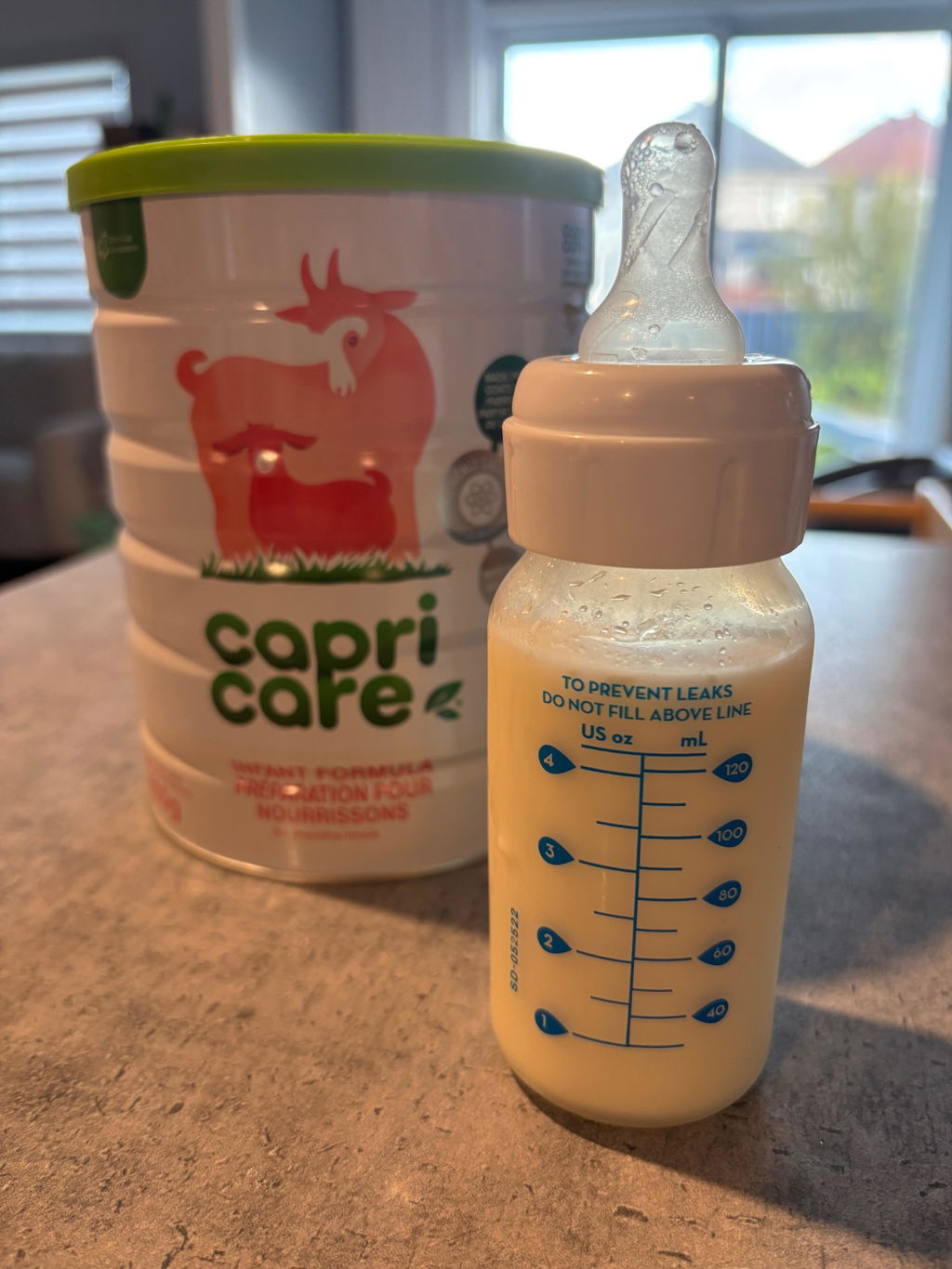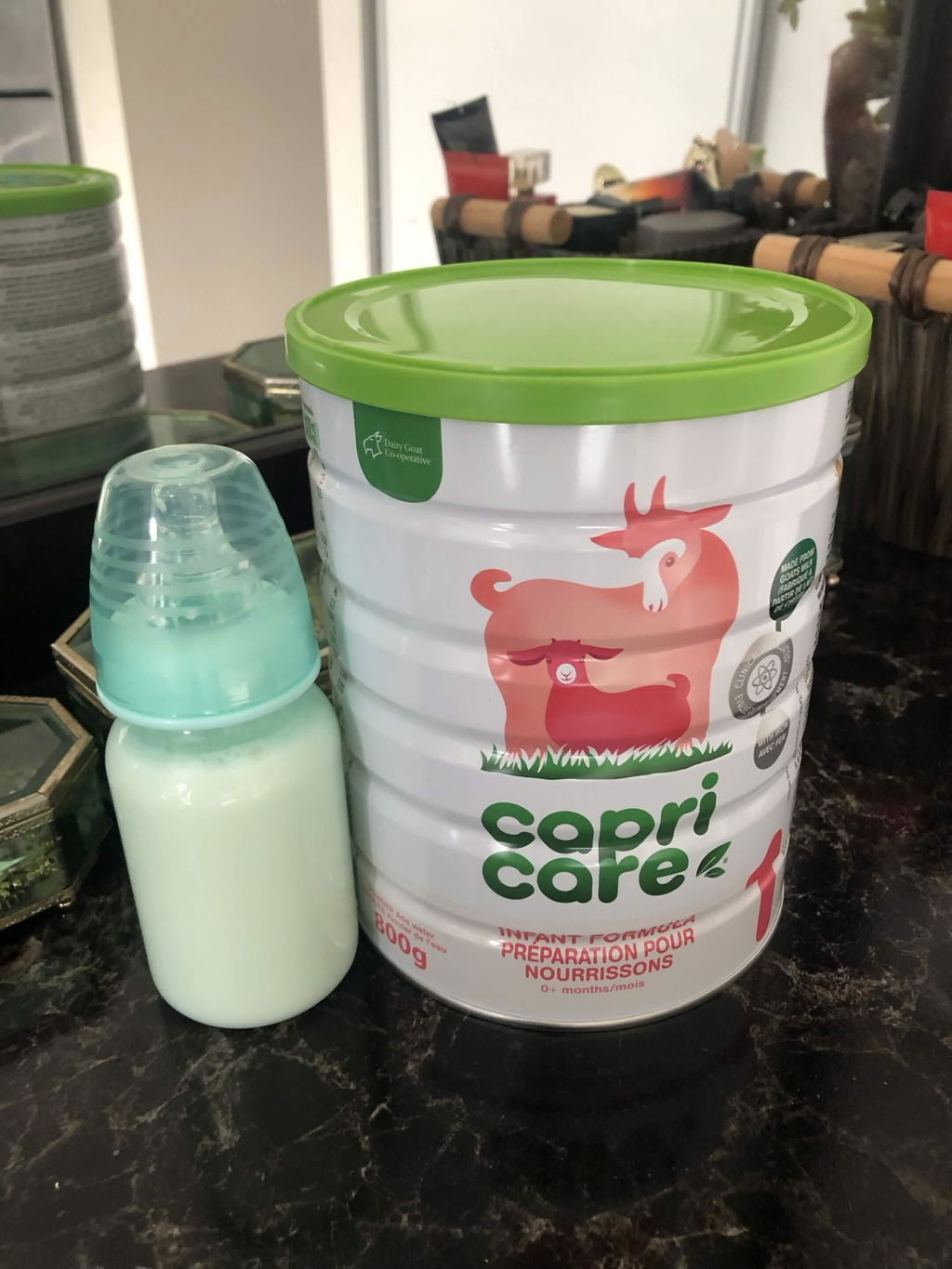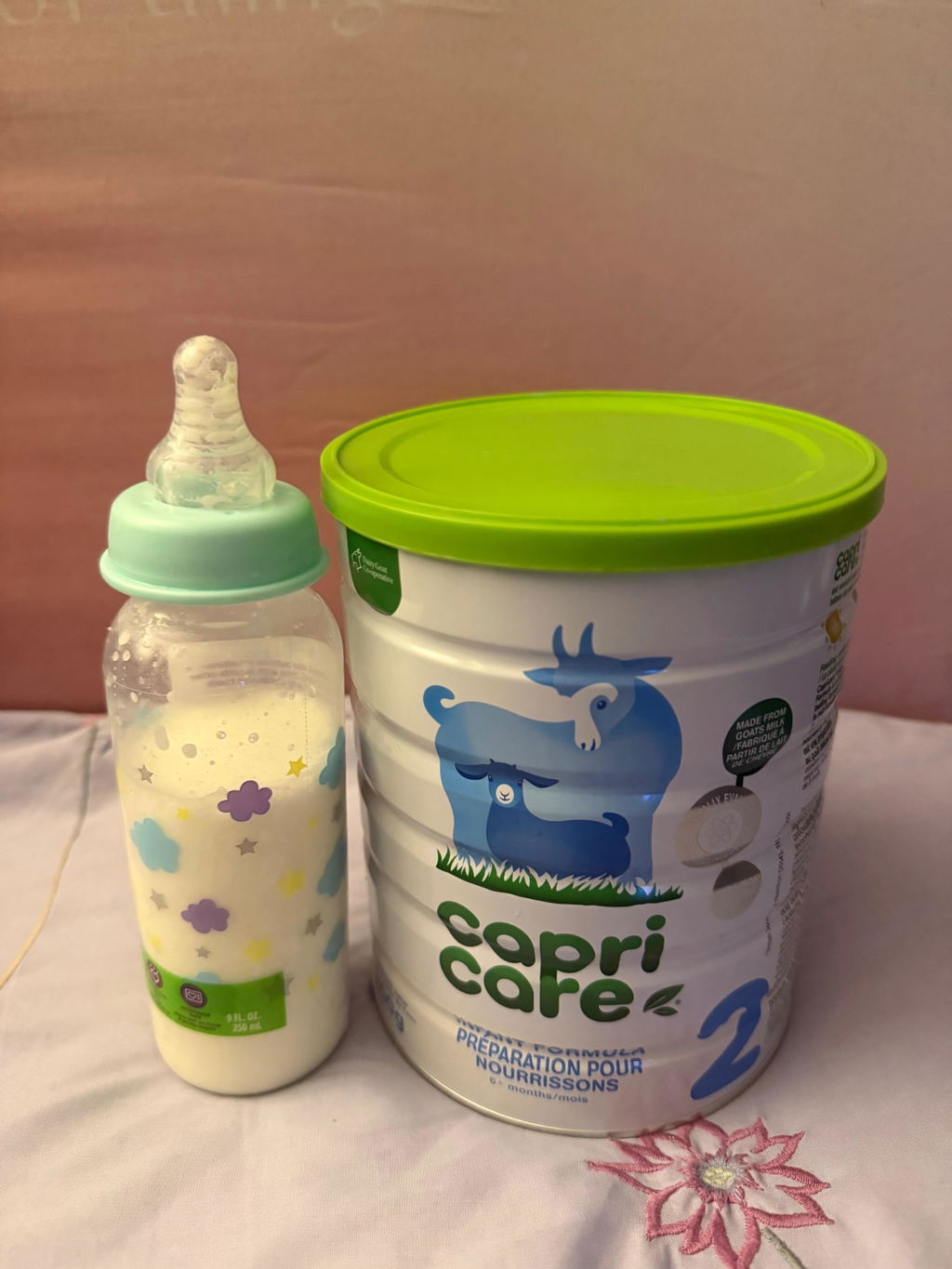
When your baby has atopic eczema, everyday care can start to feel more important.
Eczema, also known as atopic dermatitis, is a common condition that causes itchy skin. If you are looking for guidance on treating baby eczema, know that your healthcare professional can help you understand what is affecting your baby’s skin and what to try next. Seeking their advice, providing baby with a steady, calm routine and keeping their skin well moisturized and comfortable can all help.

How do you manage eczema?
Once your baby has eczema, everyday care usually focuses on reducing flare-ups by avoiding triggers and soothing their skin when a flare-up occurs.
The best way to manage your baby's eczema is by following advice from a healthcare professional, who can help you build a routine that suits your baby's skin and work out what triggers their flare-ups.
Building a gentle skincare routine
A consistent, gentle routine can help protect your baby’s skin:
● Use an unperfumed emollient (a medical moisturizer) regularly and generously, as advised by your healthcare professional. Emollients are the foundation of eczema care and can be applied often, even when the skin looks clear
● Use an emollient wash product instead of soap or bubble bath, and bathe in warm (not hot) water
● Avoid irritants like shampoos or other fragranced products that strip the skin
● Choose soft, breathable fabrics
These steps may help support the skin barrier and limit irritation.
Feeding, allergies, and eczema
Feeding plays an important role in your baby's development, including their immune system. Good nutrition doesn't replace eczema treatment, but feeding advice can be a helpful part of your baby's wider care.
Breastfeeding
Where possible, breastfeeding is recommended as the first choice for feeding your baby, providing key nutrients that support their overall health and immune system.
Formula feeding
If you are formula feeding, speak to a healthcare professional before making changes, especially if an allergy is suspected. They can help you choose the right formula for bottle feeding.
Introducing solids with confidence when your baby has eczema
Parents are encouraged to:
● Introduce solid foods at around 6 months, and not before 4 months, once your baby is ready. If your baby has eczema or you're worried about allergies, some babies may need personalized advice on when and how to introduce common allergens — so speak to a healthcare professional before starting earlier than usual
● Include a range of foods, including common allergy-causing foods, such as well-cooked egg and smooth peanut butter, in age-appropriate forms during the first year, introducing them one at a time
● Once a food has been introduced safely, ask your healthcare professional how often to keep it in your baby's diet
Understanding your baby's eczema triggers
Every baby’s eczema is different. Some babies may react to certain foods, environmental factors, fabrics, detergents, soaps, central heating, dry air or general skin dryness. Over time, patterns often emerge that help you understand what triggers your baby's eczema.
Keeping a simple diary can make these patterns easier to spot. Jot down what your baby was exposed to before a flare-up — new foods, products, fabrics, weather, or activities — alongside how their skin reacted. Over a few weeks, this can reveal triggers you might otherwise miss and give you something concrete to share with your health visitor or doctor. Do not remove major foods from your baby's diet without advice from a healthcare professional, and avoid high-street allergy tests, which aren't reliable.
When to seek further support
Feeding is an important part of your baby’s development, but it should not replace eczema treatment or skincare advice from a healthcare professional. If your baby has atopic eczema, or if you are worried about food allergies, speak to a healthcare professional before removing foods, changing formula or introducing common allergens earlier than usual. For more guidance and tips, explore the Capricare Parent Support Hub.