Reviewed by Orna Villazan, ND (Naturopathic Doctor)
As baby’s arrival date approaches, you may be asking yourself: do I have everything I need? The reassuring answer is that you do not need everything. You need a short list of the right things, packed a little early so that when the day comes, you can grab the bag and go.
This guide covers two lists: what to pack for the hospital, and what to have ready at home for the first weeks. Treat them as a starting point. Every hospital, season, and family is a little different, so check whether your hospital has its own packing recommendations or provides items like diapers and wipes.

When to pack
Many parents aim to have their hospital bag ready a few weeks before their due date, in case baby arrives early. Keep it by the door or in the car and let your support person know where it is.
Your hospital bag checklist
For baby
Hospitals typically provide the basics for your stay. These are the things you will want on hand for the trip home.
👶 Going-home outfit: Choose something soft, easy to put on, and suited to the weather. A backup outfit is a good idea in case of a spit-up or diaper leak.
🧦 Swaddle blanket, hat, and socks or mittens: A few cozy layers help keep a newborn comfortable on the way home.
🧷 A few diapers and wipes: Hospitals typically provide some, but extras are handy for the ride home.
🚗 Car seat, installed and inspected ahead of time: You will need it to leave the hospital. Install it early and follow Health Canada’s car seat safety guidance.
For you
Think comfort first. Your body will still be recovering, and you may be there longer than you expect.
👚 Comfortable, loose-fitting clothes: Pack soft, stretchy pieces for your stay. For your going-home outfit, pack a size you wore around 5 or 6 months pregnant. Most people are still quite soft and swollen on the way home.
🎽 Nursing bra or supportive tank tops: If you plan to breastfeed, a nursing bra can be handy. Breasts often change size once milk comes in, so a stretchy nursing bralette or tank is usually more comfortable than a fitted bra.
🪥 Toiletries and personal items: Toothbrush, hairbrush, lip balm, hair ties, glasses or contacts and solution, and any other personal daily use items.
💊 Medications and supplements: Anything you take daily, with your care team’s approval. Ask them about stool softeners or other postpartum comfort items.
🔋 Phone charger: A long charging cable makes a big difference when outlets are far from the bed.
🍎 Snacks and a refillable water bottle: Ask your care team about any food or drink guidance during labour, and pack snacks for afterward. Keep them simple and easy to eat one-handed.
🪪 Health card and hospital paperwork: Include any birth plan documents. Keep everything in one easy-to-grab spot.
🩲 Postpartum pads and underwear: Most hospitals supply these, so ask yours before buying in bulk. If you pack your own, bring a few pairs of breathable, high-waisted underwear you don’t mind discarding.
For your support person
Labour and the first hours afterward can involve a lot of waiting, so it helps to be prepared.
👕 A change of clothes: Something comfortable, in case the stay ends up being longer than expected. Consider an additional light layer, as hospital rooms can swing between hot and cold.
🪥 Personal items: A toothbrush and deodorant, a pillow or small blanket (can help if they’ll be sleeping in a chair). Many people find an eye mask and earplugs helpful too.
📖 Entertainment for the waiting: A book, tablet, or headphones.
💳 Cash or bank card: For hospital parking and snack runs. They may also want to bring their own snacks and a refillable water bottle, since they may not want to leave the room.
🗣️ A list of people to notify after the birth: Family and loved ones you’ll want to share the happy news with right away!
Ready at home: your first weeks checklist
You do not need to buy everything before baby arrives. Start with the essentials below and add as you learn what works for your family.
Sleep and nursery
🛏️ A safe sleep space: A crib, bassinet, or cradle. Look for products that meet current Canadian safety standards, and follow Health Canada's safe sleep guidance.
🧺 A few fitted sheets: A spare or two for quick changes in the middle of the night.
🌙 Swaddles or sleep sacks: Follow the manufacturer's guidance on sizing and use, along with safe sleep recommendations.
Diapering and feeding
🚼 Diapers in newborn and size 1: Babies grow quickly, so start with a pack or two of each size rather than stocking up on one.
🧴 Wipes and diaper cream: Keep both within arm's reach of your diaper changing spot.
🍼 Bottles and a bottle brush, if bottle feeding is part of your plan: That could mean formula, expressed milk, or a mix of both.
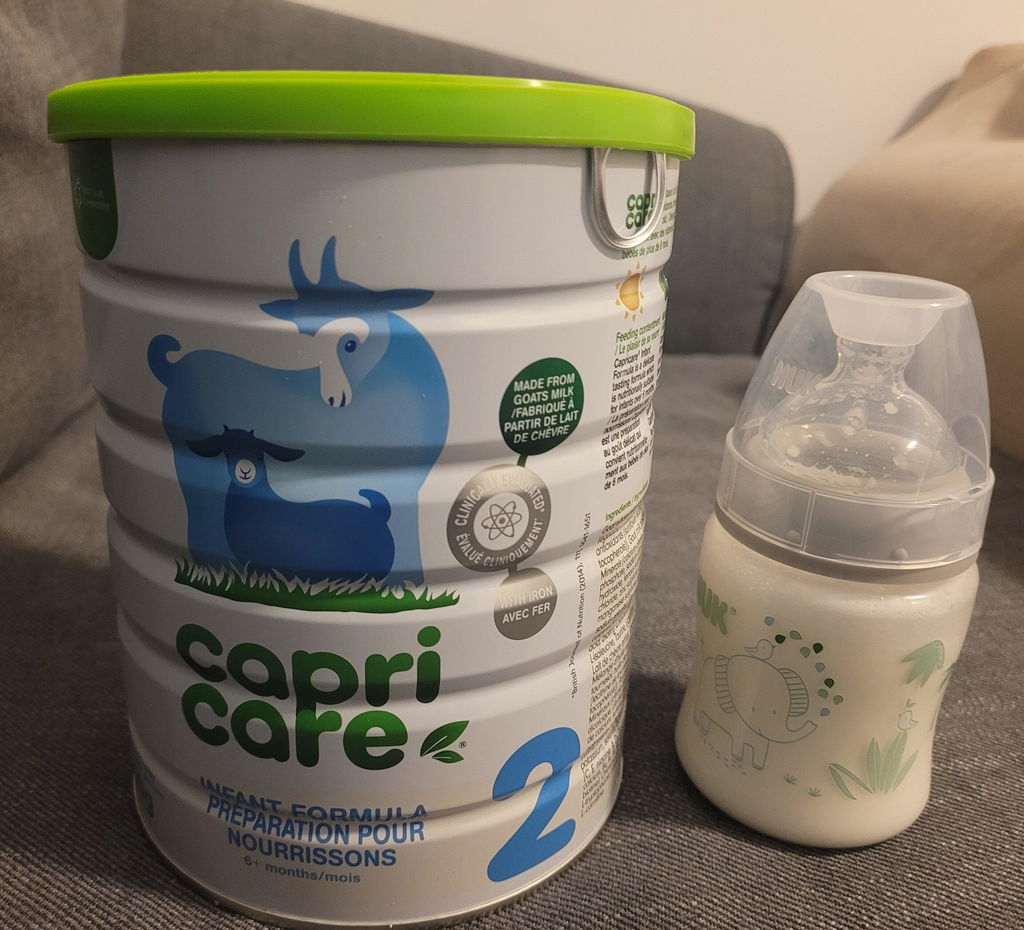
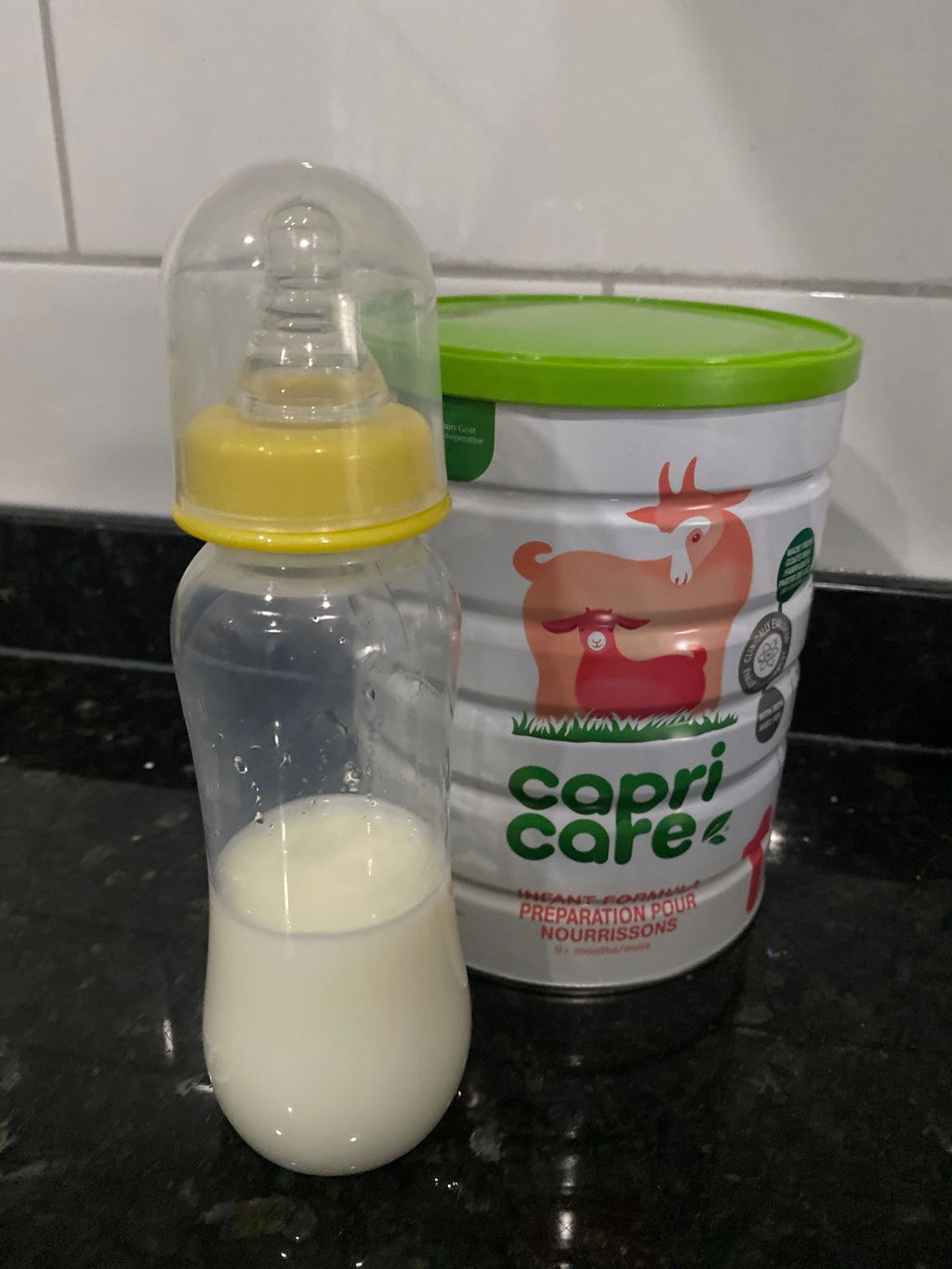
🐐 A can of Capricare Stage 1, if formula is part of your plan.
Not sure what your feeding plan will look like? That is completely normal, and plans often change. To learn more, see our resources on breastfeeding and combination feeding.
Clothing and basics
🧸 A few onesies and sleepers in newborn and 0 to 3 month sizes: Easy snaps or zippers make middle-of-the-night changes simpler.
🌡️ A baby-safe thermometer: Ask your care provider which type they recommend and when to use it.
🧼 Gentle baby wash and soft washcloths: Look for products made specifically for babies.
A few last tips
-
Pack early, then do a final check of your documents, phone charger, and car seat.
-
Ask your hospital or birth centre what they supply, so you can skip doubling up.
-
Remember that most items can wait. If you forget something, someone can usually bring it, or you can pick it up later.
Print this list, tuck it in your bag, and check things off as you go. But keep in mind that however well you pack and plan, birth doesn't always go the way we picture it, so stay flexible and be ready to roll with whatever unfolds. That’s okay, because learning to adapt is a big part of being a parent.
However this next chapter unfolds, we are here whenever you need us.
This checklist offers general suggestions and is not medical advice. For questions about your pregnancy, delivery, or your baby's care, talk to your doctor, midwife, or health care provider.