Aperçu
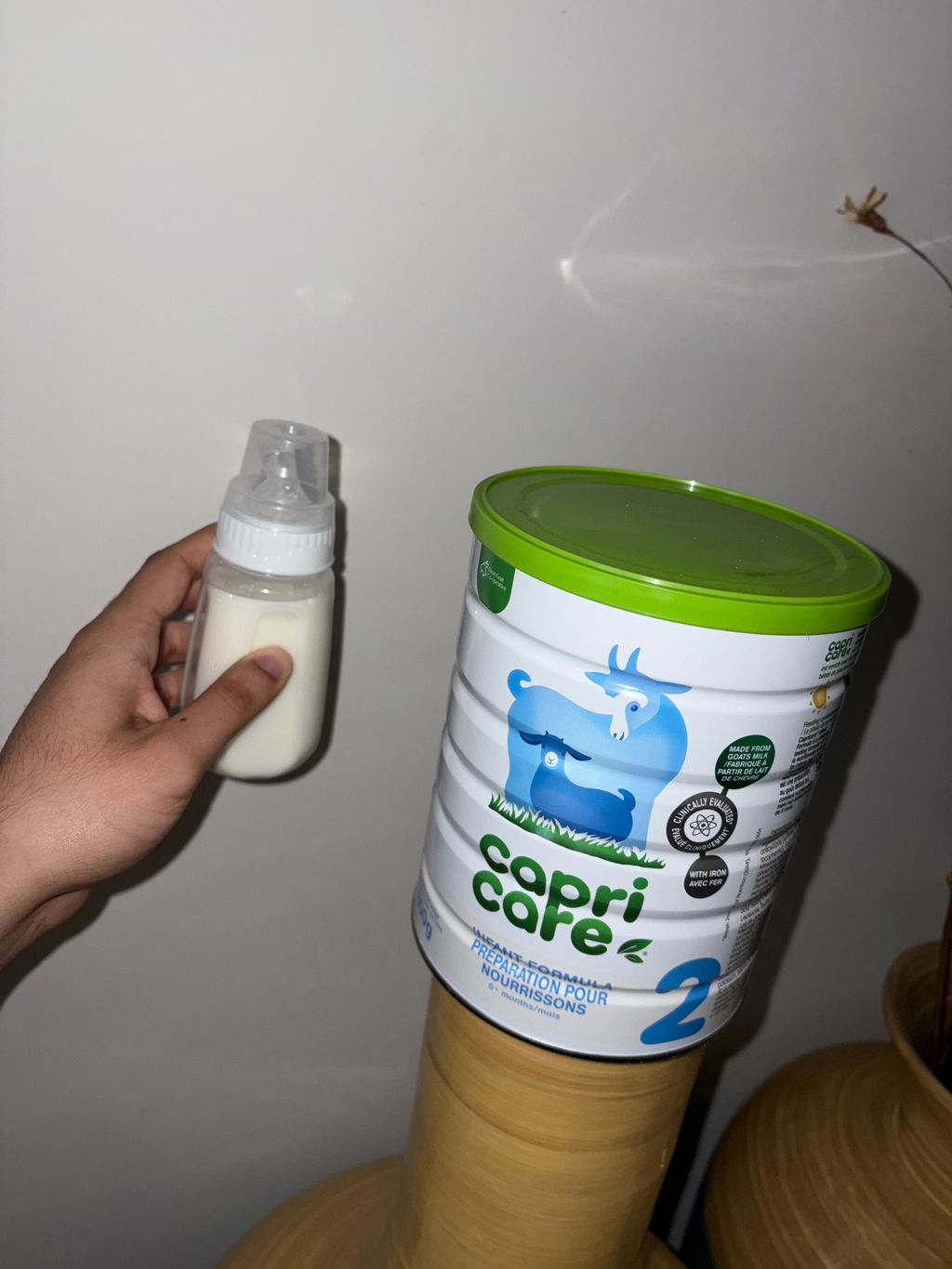
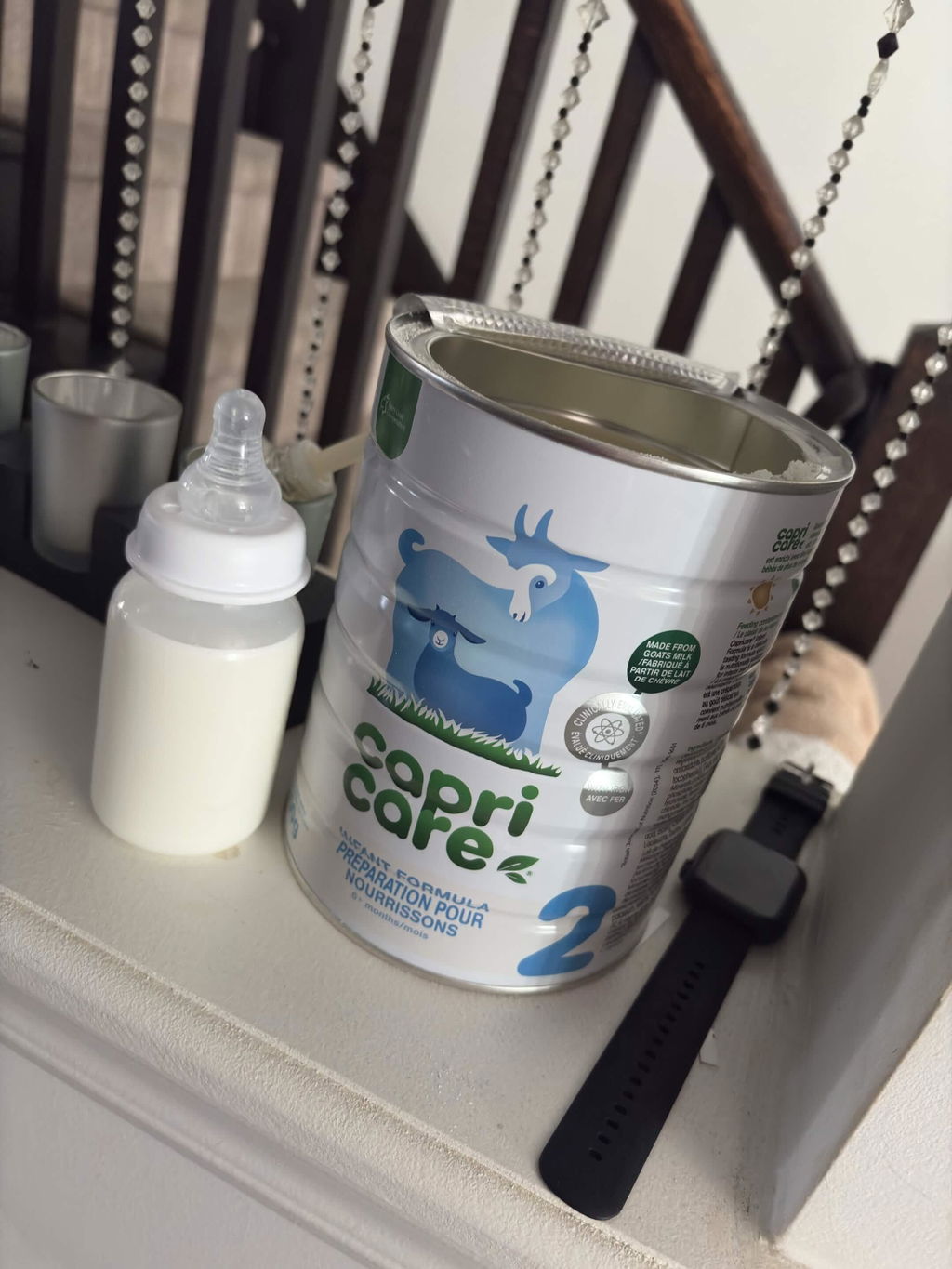
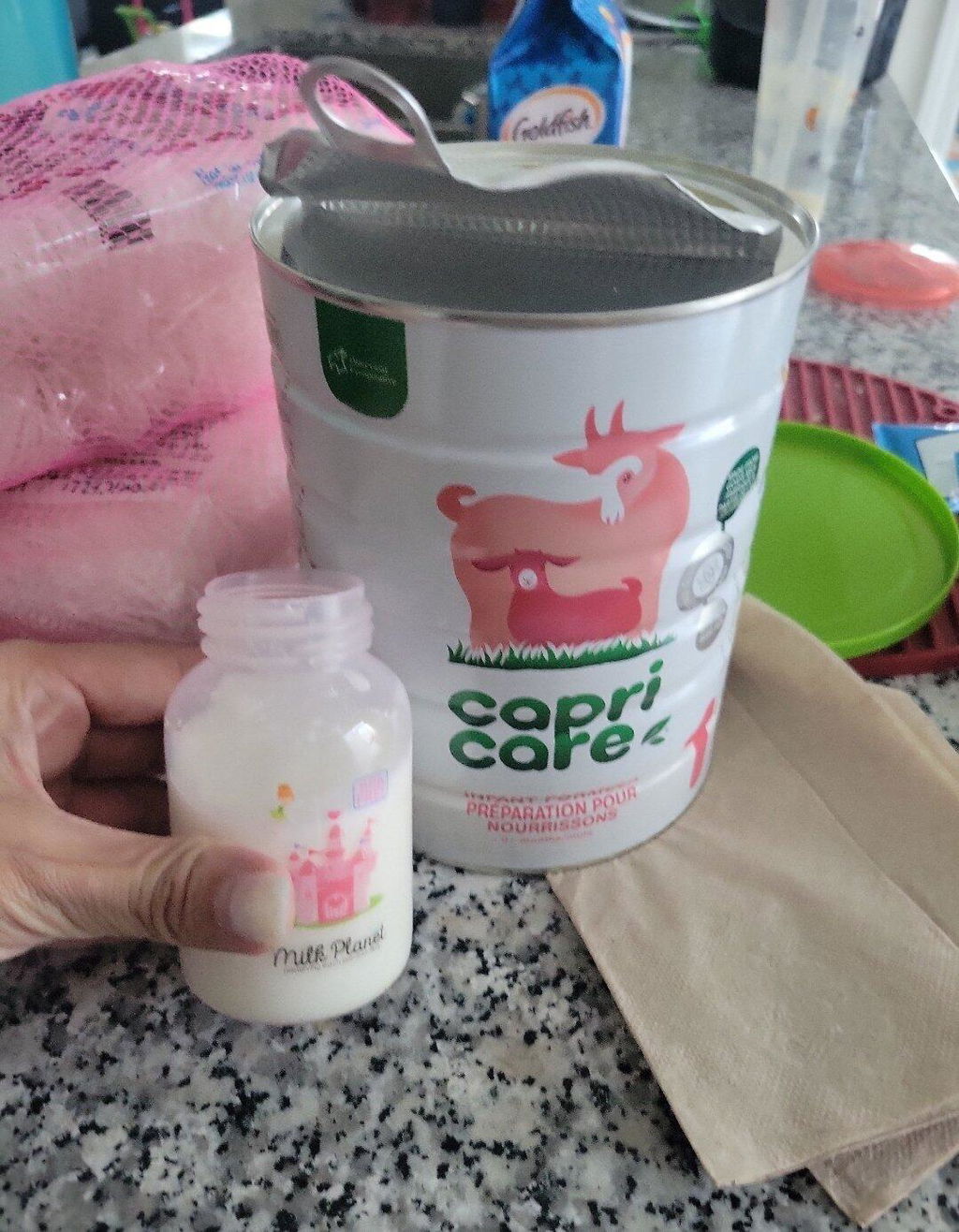
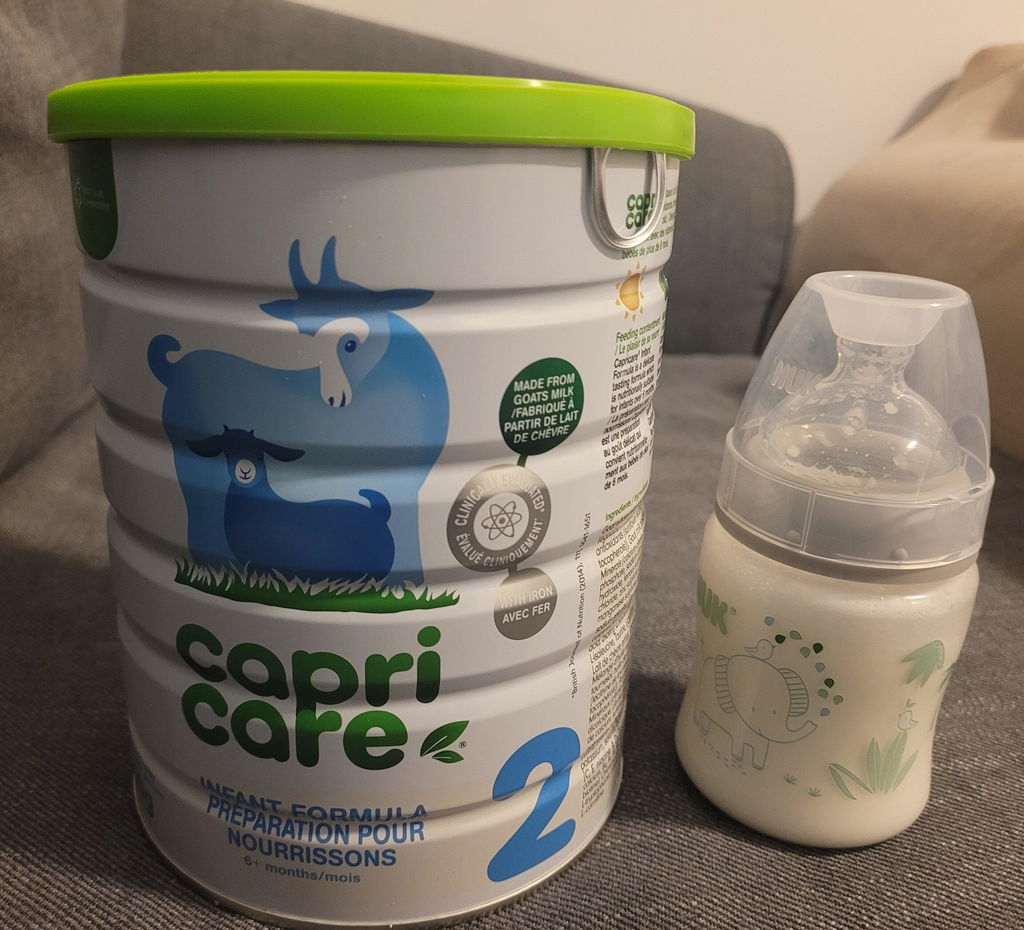
Cette étude de série de cas visait à explorer l'impact de la formule pour nourrissons à base de lait de chèvre entier (WGMF) Capricare® sur la gestion des troubles gastro-intestinaux fonctionnels et l'amélioration du bien-être chez les nourrissons âgés de 1 à 4 mois. Les nourrissons présentant des symptômes de constipation et consommant une formule standard à base de lait de vache ont montré une amélioration de leurs caractéristiques de selles et une réduction des pleurs après être passés au WGMF.
Méthodes
Investigateur principal : Dr Ramon Tormo, Gastroentérologie et Nutrition, Barcelone, Espagne
Approbation éthique : Sant Cugat del Vallès. Barcelone
Formulations : Formule pour nourrissons à base de lait de chèvre entier Capricare disponible dans le commerce (rapport lactosérum/caséine de 20:80 ; plus de 50 % de matières grasses totales provenant du lait de chèvre ; pas de lactosérum ajouté).
Cette étude a utilisé un plan d'étude de série de cas. Vingt-trois nourrissons présentant des symptômes de constipation dans deux cliniques pédiatriques à Barcelone, en Espagne, ont été inclus dans cette étude (n=23). Les symptômes comprenaient des difficultés à déféquer, des selles douloureuses, des pleurs et de l'irritabilité. Tous les participants avaient auparavant été nourris avec une formule à base de lait de vache (CMF) et étaient âgés de 1 à 4 mois. Aucun nourrisson n'a reçu de traitement pour la constipation (oligosaccharides de lait, hydrolysats ou laxatifs) avant ou pendant l'étude.
Les nourrissons sont passés de la CMF au WGMF pendant trois semaines. Les résultats ont été évalués au moyen de questionnaires, d'analyses d'échantillons de selles et de la satisfaction parentale (échelle de Likert) à l'inclusion et après 3 semaines d'utilisation du WGMF. La consistance des selles a été classée à l'aide de l'échelle de Bristol, tandis que la composition des selles (graisses, eau, azote et glucides) a été analysée à l'aide de la méthode d'analyse par réflectance dans le proche infrarouge.
Principales conclusions
Bien que la fréquence des selles soit restée constante entre l'inclusion et après trois semaines de consommation de WGMF, la consistance des selles est passée de dure (score de Bristol 1-3) à plus molle (score de Bristol 3-5).* La teneur en graisses des selles a diminué de manière significative,† mais les niveaux d'azote, d'eau et de glucides sont restés inchangés.
Les épisodes de pleurs ont considérablement diminué, avec moins d'épisodes après les repas, et le nombre total d'heures de pleurs a nettement chuté.‡ La satisfaction parentale avec le WGMF a augmenté, la plupart rapportant des améliorations dans les 3 à 5 jours suivant le début du WGMF.

Conclusion
Les résultats suggèrent que le WGMF pourrait être bénéfique pour les nourrissons souffrant de constipation et de troubles gastro-intestinaux. Les parents ont signalé une bonne acceptation et un changement de comportement positif dans les 5 jours suivant le passage au WGMF. L'excrétion de graisses plus faible et l'amélioration de la consistance des selles sont probablement dues à la teneur plus élevée en acide palmitique sn-2 dans le WGMF.
Cette étude de cas diffère des études cliniques en ce qu'elle surveille l'impact du passage d'une CMF standard à un WGMF chez les nourrissons atteints de constipation. Les parents et les cliniciens ne sont pas aveuglés à l'intervention, et un groupe de contrôle parallèle n'est pas inclus.
Références
CMF : formule à base de lait de vache ; EFSA : Autorité européenne de sécurité des aliments ; WGMF : formule à base de lait de chèvre entier.
*Scores de l'échelle de selles de Bristol (1-2 : dures ; 3-4 : intermédiaires ; 5-7 : molles/liquides).
†8,6 % (inclusion) vs 6,8 % (visite 2 ; p<0,001). La composition unique des graisses de Capricare, dérivée du lait de chèvre et d'huiles végétales spécifiques, pourrait avoir amélioré l'absorption des graisses et la douceur des selles. Notamment, Capricare® évite l'utilisation d'huile de palme, qui a été associée à des selles plus dures en raison d'une mauvaise absorption de l'acide palmitique en positions sn-1,3. Des études antérieures soulignent également les avantages des graisses avec une position sn-2 d'acide palmitique plus élevée pour favoriser une meilleure digestion et des caractéristiques de selles.
‡Pleurs sur 24 heures : 3 heures (inclusion) vs 1 heure (visite 2 ; P<0,001).
Infante et al. J Nutr Health Sci. 2018; 5(2):203